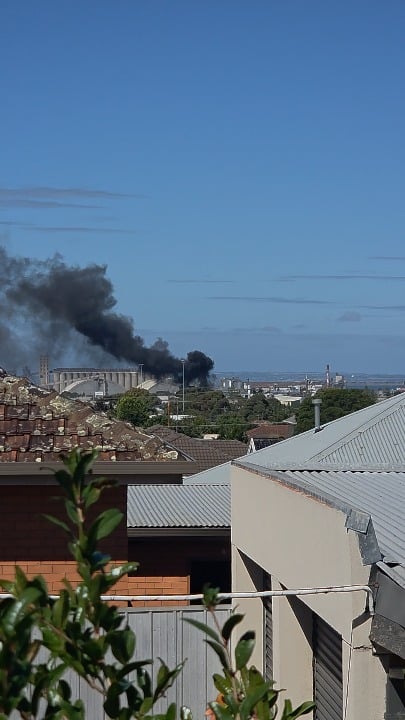
Air Quality Alert Issued for Geelong After North Suburb Explosions
The tranquility of North Geelong was shattered recently by a series of dramatic gas bottle explosions, prompting not only immediate evacuation and shelter-in-place warnings but also a significant air quality alert across the region. Residents in North Geelong, Bell Park, Bell Post Hill, and surrounding suburbs were advised to take precautions as plumes of smoke billowed into the sky, raising concerns about potential health impacts. This incident highlights the unpredictable nature of emergencies and the critical importance of swift, informed public response, especially when it comes to the less visible threats like airborne pollutants following severe
explosions Geelong has experienced.
A Dramatic Afternoon: Unpacking the North Geelong Explosions
What began as a routine Tuesday afternoon quickly escalated into a scene described by some witnesses as "like a movie." Around 4:20 PM, emergency services received multiple calls to Triple Zero reporting explosions and significant smoke emanating from the corner of Thompson Road and Armstrong Street in North Geelong. Crews from Fire Rescue Victoria (FRV) were on the scene within a remarkable five minutes, confronted by a rapidly unfolding and dangerous situation.
The initial reports indicated a vehicle on the back of a truck had caught fire. Unfortunately, the flames swiftly spread to nearby gas bottles, triggering a chain reaction that resulted in approximately 20 powerful blasts. These were not minor pops but substantial explosions that sent shockwaves through the community, creating a spectacle of intense flames and thick, black smoke visible for kilometres. The sheer volume and intensity of these gas bottle explosions transformed a local incident into a major emergency, demanding immediate and coordinated action from emergency responders and a rapid dissemination of vital information to the public.
Immediate Directives: Evacuate or Shelter-in-Place Amidst Chaos
The escalating danger prompted Fire Rescue Victoria to issue an urgent emergency warning. For residents directly in the path of the immediate threat, the directive was clear: "leave immediately." This warning applied to those in the immediate vicinity who could safely evacuate, advising them not to return home until the warning was lifted. The priority was to remove people from the potential for further blasts, falling debris, or exposure to hazardous fumes.
However, for those unable to leave their homes or caught off guard by the suddenness of the event, specific shelter-in-place advice was issued. Residents were told to move away from windows and glass doors, and to seek shelter under sturdy furniture if objects were falling around them. This advice is critical in situations where the threat includes projectiles or structural damage. The rapid and comprehensive nature of these warnings underscored the severity of the gas bottle blasts that rocked Geelong, ensuring residents had actionable advice to protect themselves. For more detailed insights into the specific advice issued during this critical period, consider reading our related article:
Gas Bottle Blasts Rock Geelong: Emergency Shelter Advice Issued. The dual approach of evacuation and shelter-in-place highlights the dynamic decision-making required during such fast-moving emergencies.
The Lingering Threat: Understanding Geelong's Air Quality Alert
Beyond the immediate danger of fire and explosions, one of the most significant and potentially long-lasting concerns stemming from the North Geelong incident was the impact on air quality. As massive plumes of smoke billowed into the sky, Fire Rescue Victoria promptly issued an air quality warning for a broad area encompassing North Geelong, Bell Park, Bell Post Hill, and several surrounding suburbs.
The smoke generated by burning vehicles, gas bottles, and potentially other materials can contain a complex mixture of pollutants, including:
* **Particulate Matter (PM):** Tiny solid or liquid particles suspended in the air. Fine particulate matter (PM2.5) is particularly concerning as it can penetrate deep into the lungs and even enter the bloodstream.
* **Volatile Organic Compounds (VOCs):** Chemicals released from burning plastics, fuels, and other synthetic materials.
* **Carbon Monoxide and other combustion by-products:** Gases that can displace oxygen in the blood or irritate the respiratory system.
These airborne contaminants pose specific health risks. The warning highlighted that the smoke might aggravate existing heart and lung conditions, such as asthma, bronchitis, and emphysema. For others, common symptoms could include irritated eyes, coughing, and wheezing.
Practical Advice for Air Quality Concerns:
- Stay Indoors: Keep windows and doors closed, especially if you are in an affected area.
- Minimise Outdoor Activity: Avoid strenuous exercise outdoors until the air quality improves.
- Use Air Purifiers: If you have an air purifier with a HEPA filter, operate it indoors.
- Monitor Symptoms: Pay close attention to any changes in your breathing or overall well-being.
- Seek Medical Advice: If you experience severe or persistent symptoms, especially if you have pre-existing respiratory or cardiac conditions, contact your doctor or call Triple Zero for urgent medical assistance.
- Stay Informed: Continue to monitor local news, emergency service websites, and air quality apps for updates.
The long-term effects of poor air quality can be substantial, making vigilance and adherence to official advice crucial even after the immediate fire is extinguished.
Navigating the Aftermath: Road Closures and Ongoing Safety
The immediate aftermath of the explosions in Geelong also brought significant logistical challenges. To ensure the safety of emergency responders and the public, several key roads were closed to traffic. Specifically, Armstrong Creek, Pashley Avenue, and Thompson Road between Separation Street and Victor Street were cordoned off. These closures, while inconvenient, are vital for allowing emergency services to operate effectively, contain the incident, and prevent further accidents.
Once the immediate danger passed and the fire was brought under control, the focus shifted to investigations and clean-up. This process involves:
* **Fire Investigators:** Determining the exact cause and origin of the fire and subsequent explosions.
* **Structural Assessments:** Checking nearby properties for any damage caused by the blasts or heat.
* **Hazardous Material Clean-up:** Ensuring any residual contaminants from the fire are safely removed.
For residents returning to their homes or those in affected areas, continued caution is paramount. It's advisable to ventilate homes thoroughly once the air quality warning is lifted, check for any lingering smoke smell, and report any structural damage to relevant authorities. Disposing of any ash or debris should be done carefully, following local council guidelines, as it might contain hazardous materials.
Building Resilience: Preparing for Unforeseen Emergencies in Geelong
The dramatic gas bottle explosions in North Geelong serve as a stark reminder of the importance of community preparedness for unexpected emergencies. While the specific nature of this incident was unique, many principles of emergency readiness apply across various scenarios:
*
Emergency Kit: Maintain a well-stocked emergency kit with essentials like water, non-perishable food, a first-aid kit, essential medications, a battery-powered radio, flashlight, and spare batteries.
*
Family Emergency Plan: Discuss and practice an emergency plan with your family. Know multiple escape routes from your home, designated meeting points, and how to contact each other if separated.
*
Stay Informed: Familiarise yourself with official emergency information sources such as local council websites, emergency services social media, and local news outlets. In a crisis, timely and accurate information is your best defense.
*
Gas Bottle Safety: Specific to this incident, review gas bottle safety practices. Store gas bottles outdoors in a well-ventilated area, upright, and away from ignition sources. Ensure they are regularly inspected and maintained.
*
Neighbourhood Watch: Connect with your neighbours. A strong community network can be invaluable during and after an emergency, providing support and sharing information.
Conclusion
The air quality alert issued for Geelong following the dramatic North Geelong explosions underscores the multi-faceted impact of such emergencies. From the initial shock and immediate safety directives to the lingering concerns about air quality and the long road to recovery, the incident tested the resilience of the community and the efficiency of emergency services. As residents return to normalcy, the experience reinforces the critical importance of staying informed, adhering to official advice, and fostering a proactive approach to emergency preparedness. The swift actions of Fire Rescue Victoria and other emergency personnel undoubtedly mitigated further harm, showcasing the dedication of those who protect our communities during times of crisis.