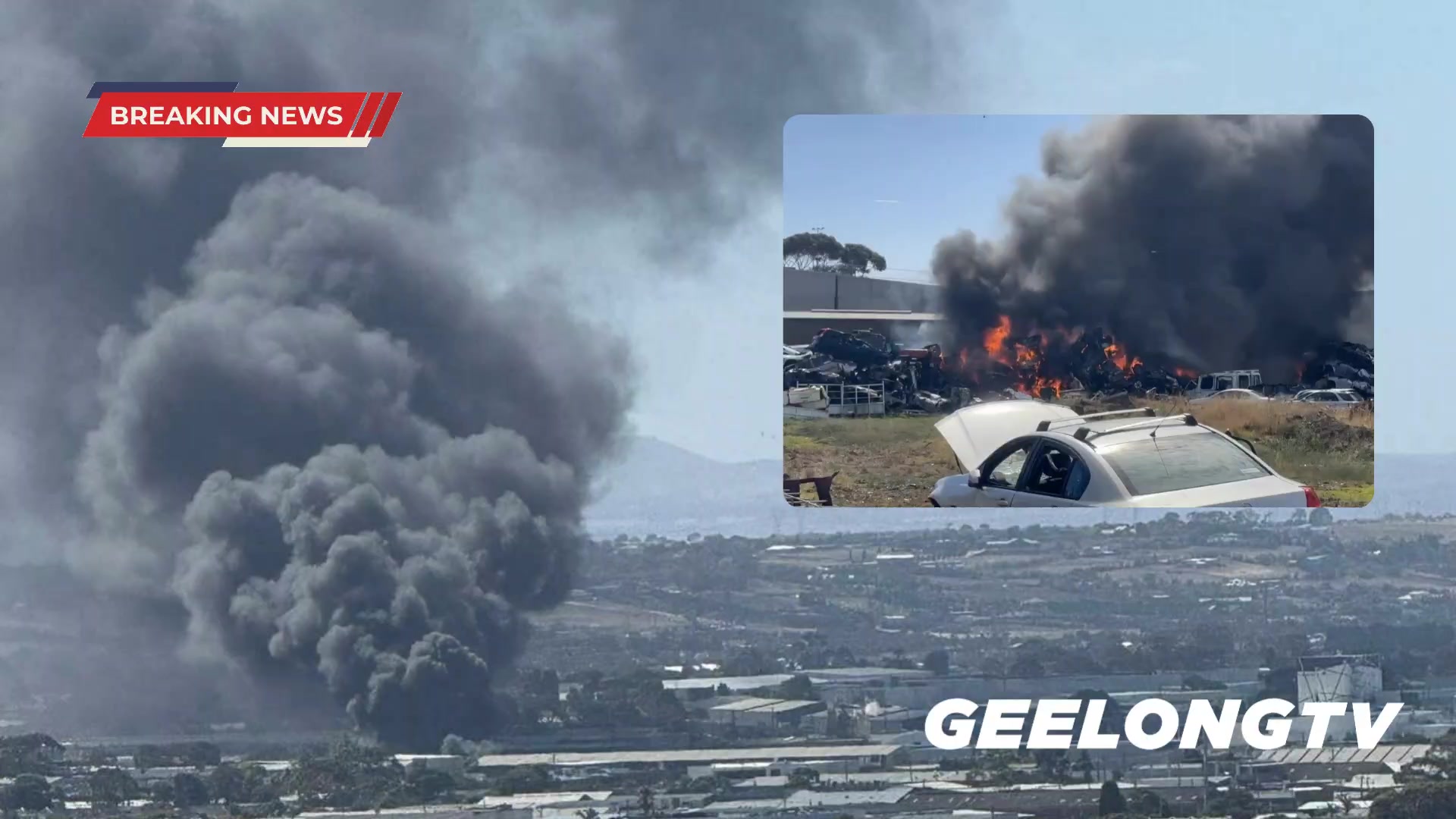
North Geelong Explosions Trigger Immediate Evacuation Warning: A Community on Alert
The quiet afternoon in North Geelong was abruptly shattered by a series of powerful explosions, plunging the community into an immediate state of emergency. Residents described the scene as something "like a movie," as approximately 20 blasts rocked the area, prompting Fire Rescue Victoria (FRV) to issue an urgent evacuation warning. The incident, centered around the intersection of Thompson Road and Armstrong Street, galvanized emergency services into rapid action, highlighting the critical importance of swift response and community preparedness in the face of unexpected dangers. This dramatic event underscores the volatile nature of certain industrial incidents and the ripple effect they can have on local populations, demanding immediate attention to safety protocols and emergency advisories.
Chaos Erupts: The North Geelong Incident Unfolds
The serenity of Tuesday afternoon was shattered just before 4:20 PM when calls to Triple Zero began flooding in, reporting multiple explosions and massive plumes of smoke billowing into the sky from North Geelong. Emergency services, including Fire Rescue Victoria, mobilised with impressive speed, arriving on the scene within a mere five minutes. Their swift response was met with a chaotic and dangerous situation: a vehicle, perched on the back of a truck, was engulfed in flames. Tragically, these initial flames quickly spread to nearby gas bottles, triggering a chain reaction of highly volatile detonations that reverberated across the suburb.
Witnesses recounted a terrifying spectacle as approximately two dozen explosions tore through the air, sending shockwaves through the community. The sheer force and frequency of these blasts created a scene that many compared to a war zone, eliciting profound concern for the safety of those nearby. The core of the incident was pinpointed at the critical junction of Thompson Road and Armstrong Street, turning a typically busy thoroughfare into an active danger zone. The rapid escalation from a vehicle fire to a series of gas bottle explosions underscored the unpredictable and severe nature of such incidents, necessitating an immediate and comprehensive emergency response to contain the threat and protect residents from the immediate and potential long-term dangers.
Immediate Danger: Evacuation and Shelter-in-Place Directives
The gravity of the situation prompted Fire Rescue Victoria to issue a critical "leave immediately" warning for residents in the affected zones of North Geelong. This urgent directive was not merely a suggestion but a clear instruction for anyone home in the vicinity to evacuate to safety without delay. For those unable to leave their premises, specific shelter-in-place advice was disseminated: move away from windows and glass doors, and seek refuge under sturdy furniture to protect against potential falling debris or shrapnel from the ongoing Gas Bottle Blasts Rock Geelong: Emergency Shelter Advice Issued. The immediate priority was to ensure the physical safety of individuals by either removing them from the hazard zone or guiding them to the safest possible location within their homes.
The warning extended beyond those directly at home. Residents who were out of the area when the explosions commenced were strictly advised against returning until the official warning was lifted. This measure was crucial to prevent people from inadvertently entering a highly dangerous and active emergency zone, where the risk of further explosions or exposure to hazardous conditions remained high. The dual approach of immediate evacuation for those present and a strict "do not return" policy for others underscored the comprehensive strategy employed by emergency services to manage the unfolding crisis and safeguard the wider community from the immediate fallout of the North Geelong explosions.
Beyond the Blaze: Air Quality Concerns and Road Closures
The immediate threat of explosions Geelong gradually gave way to a secondary but equally pressing concern: the widespread impact of the voluminous smoke plumes generated by the fierce fires. An urgent air quality warning was promptly issued, extending beyond North Geelong to encompass surrounding suburbs such as Bell Park, Bell Post Hill, and other neighbouring areas. This advisory highlighted the potential health risks posed by the smoke, which could aggravate existing heart and lung conditions, and cause symptoms like irritated eyes, persistent coughing, and wheezing in the general population. Residents were urged to minimise exposure, stay indoors, and follow updates regarding the evolving air quality situation, underscoring the vital link between the immediate incident and its broader environmental and health implications, as detailed in our related article on Air Quality Alert Issued for Geelong After North Suburb Explosions.
In addition to the health advisories, the emergency necessitated significant traffic disruptions. Several key roadways were closed to ensure public safety, facilitate emergency access, and manage the flow of traffic away from the incident site. Armstrong Creek, Pashley Avenue, and the stretch of Thompson Road between Separation Street and Victor Street were among the arteries declared off-limits to vehicles. These closures, while inconvenient for commuters and local residents, were critical for allowing emergency crews unimpeded access to the explosion site and for maintaining a safe perimeter around the ongoing operations. The coordinated response to these ancillary issues demonstrates the multifaceted nature of managing major emergencies, where protecting public health and ensuring operational efficiency are paramount.
Preparedness and Prevention: Lessons from the Geelong Explosions
The North Geelong explosions serve as a stark reminder of the unpredictable nature of emergencies and the critical importance of preparedness. While specific to gas bottles and vehicle fires, the lessons learned apply broadly to household and community safety. For homeowners and businesses that store gas bottles, regular inspections are paramount. Ensure bottles are stored upright, in well-ventilated areas, away from direct sunlight, heat sources, and flammable materials. Always check for leaks using a soapy water solution, and never attempt to repair damaged valves yourself. Professional maintenance and adherence to manufacturer guidelines can significantly mitigate risks.
Beyond specific hazards, the incident highlights the universal need for a robust emergency plan. Every household should have a clear evacuation strategy, including designated meeting points and alternative routes. An emergency kit, stocked with essentials like water, non-perishable food, a first-aid kit, a battery-powered radio, and essential documents, can be invaluable. Furthermore, establishing a communication plan – how family members will contact each other if separated – is crucial. Paying close attention to local emergency alerts, whether via radio, television, or official apps, empowers individuals to make informed decisions quickly. The ability to react swiftly and calmly, guided by pre-planned actions and official advice, can make a profound difference in minimising harm during such unforeseen events. The North Geelong experience reinforces that while emergency services are highly capable, an informed and prepared community is the first line of defense.
Conclusion
The North Geelong explosions represented a severe and challenging incident, testing the resolve of residents and the efficiency of emergency services alike. From the terrifying blasts that shattered the afternoon calm to the immediate evacuation warnings, air quality alerts, and significant road closures, the event underscored the profound impact a sudden emergency can have on a community. The swift response from Fire Rescue Victoria and other emergency personnel was crucial in containing the situation and providing vital guidance to the public. As Geelong continues to recover and assess the full implications, this incident serves as a powerful reminder of the importance of vigilance, proactive safety measures, and a community-wide commitment to emergency preparedness. Learning from such events strengthens our collective resilience and enhances our capacity to respond effectively to future challenges, ensuring that the safety and well-being of residents remain the highest priority.